The Power of Rugs: Defining Spaces and Adding Texture

Rugs are more than just floor coverings—they’re silent anchors that define spaces, add warmth, and inject personality into any room.
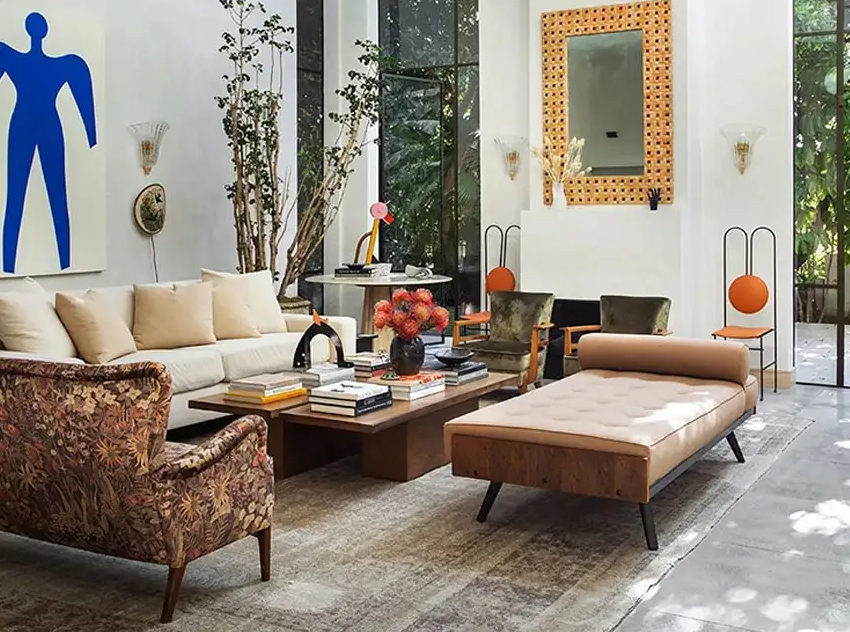
Introduction
Rugs are more than just floor coverings—they’re silent anchors that define spaces, add warmth, and inject personality into any room. Whether you're layering textures or creating visual zones, the right rug can completely transform your space.
In this blog, we’ll explore the power of rugs in interior design, from their aesthetic impact to their functional value. You’ll learn how to choose, place, and style rugs to enhance every room in your home.
1. Define Zones in Open Floor Plans
In open layouts, rugs help break up large spaces into clearly defined areas:
- A large area rug under a sofa and coffee table marks a living zone
- A rug under the dining table sets that space apart
- A runner in a hallway or kitchen guides movement and flow
Rugs provide structure and subtle boundaries without needing walls or partitions.
2. Add Instant Warmth and Comfort
Hard flooring can feel cold and impersonal—rugs instantly soften the experience underfoot. They add:
- A cozy layer for bare feet
- Acoustic benefits by absorbing noise
- Visual warmth, especially in minimalist or modern interiors
Opt for high-pile rugs in bedrooms and low-pile or flatweave styles in high-traffic areas for comfort and durability.
3. Introduce Texture and Depth
Texture is key in making a space feel lived-in and layered. Rugs offer a simple way to introduce it:
- Wool rugs add plush comfort
- Jute or sisal offer natural, earthy texture
- Patterned or tufted designs create visual movement
Layering a small patterned rug over a large neutral one also boosts depth and detail.
4. Enhance Color and Personality
A rug can be the perfect place to introduce color or pattern—especially in neutral rooms. Try:
- A bold geometric rug in a modern space
- A vintage Persian or Kilim rug in a traditional or boho room
- A subtle tonal rug to support a soft, calm palette
Let your rug reflect your personality—it’s often one of the first things people notice in a room.
5. Anchor Your Furniture Layout
Without a rug, furniture can feel like it's floating. A properly sized rug:
- Grounds your seating arrangement
- Creates cohesion between pieces
- Prevents awkward gaps in your layout
Pro tip: In living rooms, ensure at least the front legs of your furniture rest on the rug for a unified look.
6. Add Function in Unexpected Places
Rugs aren’t just for living rooms and bedrooms. Consider:
- A runner in the kitchen for cushion and warmth while cooking
- A small rug in a laundry room or mudroom for comfort and style
- A mat under a desk chair in a home office to define the workspace
These additions enhance comfort while bringing softness to utilitarian spaces.
7. Use Rugs to Echo or Contrast Design Elements
Coordinate your rug with other room details to tie everything together:
- Match rug colors with artwork, throw pillows, or curtains
- Choose a rug that contrasts your flooring for visual interest
- Use complementary patterns to echo design motifs across the space
This harmony brings balance and elevates your entire interior design.
8. Layer Rugs for Added Dimension
Layering rugs is a designer trick that adds personality and softness:
- Place a bold smaller rug over a large neutral base
- Mix materials (e.g., a wool rug on top of a jute rug)
- Use layers to define sitting areas within larger spaces
It’s also a practical way to use a favorite smaller rug in a large room.
9. Keep Scale and Proportion in Mind
A rug that’s too small can make a space feel disjointed. General guidelines:
- Living room rugs should be large enough to touch all main furniture pieces
- Dining room rugs should extend at least 24" beyond the table to allow for chairs
- Bedroom rugs should extend at least 18–24" beyond the sides of the bed
Proper sizing creates balance and avoids a “floating” effect.
10. Express Style Without Commitment
Rugs are one of the easiest design elements to change out. Use them to:
- Refresh your space seasonally
- Test a new color or trend without major changes
- Bring in personality in a rental or temporary space
With so many styles available, rugs offer a flexible and accessible way to evolve your interior over time.
Conclusion
Rugs are silent powerhouses in interior design—grounding furniture, softening spaces, and defining function with effortless elegance. Whether you’re decorating a small apartment or a spacious home, the right rug can tie everything together while adding depth, comfort, and style.
Use them strategically, layer them with confidence, and let them tell part of your home's story—right under your feet.
Recent Blogs
-

All You Need to Know About TradeTracker Before Investing
-

Uses of Natural Sleep Support Supplements: What They’re Commonly Taken For
-

Streetwear Trends 2025: How Decarba Reflects Today's Urban Fashion
-

Whole-Food Nutrition Meets Modern Life: Why Organ Supplements and Natural Blends Are Gaining Popularity
-

From Smoothie to Salad: How to Use Premium Dates in Every Meal